While we don’t know exactly when
the first gardens appeared, it is likely that they were created almost entirely
for practical purposes. In ancient times, there was a critical need for food
and medicine, and a small garden of crops and small plants would fulfill the
basic human need for sustenance. Yet as societies became more peaceful,
civilized, and technologically advanced, gardens rapidly became less of a
necessity. Inventions by the Romans, especially the creation of irrigation
systems, allowed for the creation of large scale farming, further increasing
food availability and reducing the need to have a garden. Clearly gardens were
introduced to European culture because they served a vital need to survive; but
if they no longer serve an obvious practical purpose, why do we still have
them?
 |
| The gardens at Versailles |
It’s probably because they are beautiful.
European culture places a lot of emphasis of aesthetics—from beautiful
tapestries to ornate churches to huge castles, there seems to be a fundamental emphasis
on beauty and ornamentation. And gardens fit right in. Take the gardens at
Versailles, which features elaborate floral displays, beautiful statues, and
stunning water features. The garden combines art, which has been innately
attractive to humans since the beginning of time, along with the beauty of
nature, like elaborate displays of flowers and trees. The end result is a piece
of land that is so beautiful that you could spend days just intently browsing
through the garden, never seeing the overlooking palace.
 |
| A small garden that provides a welcome escape |
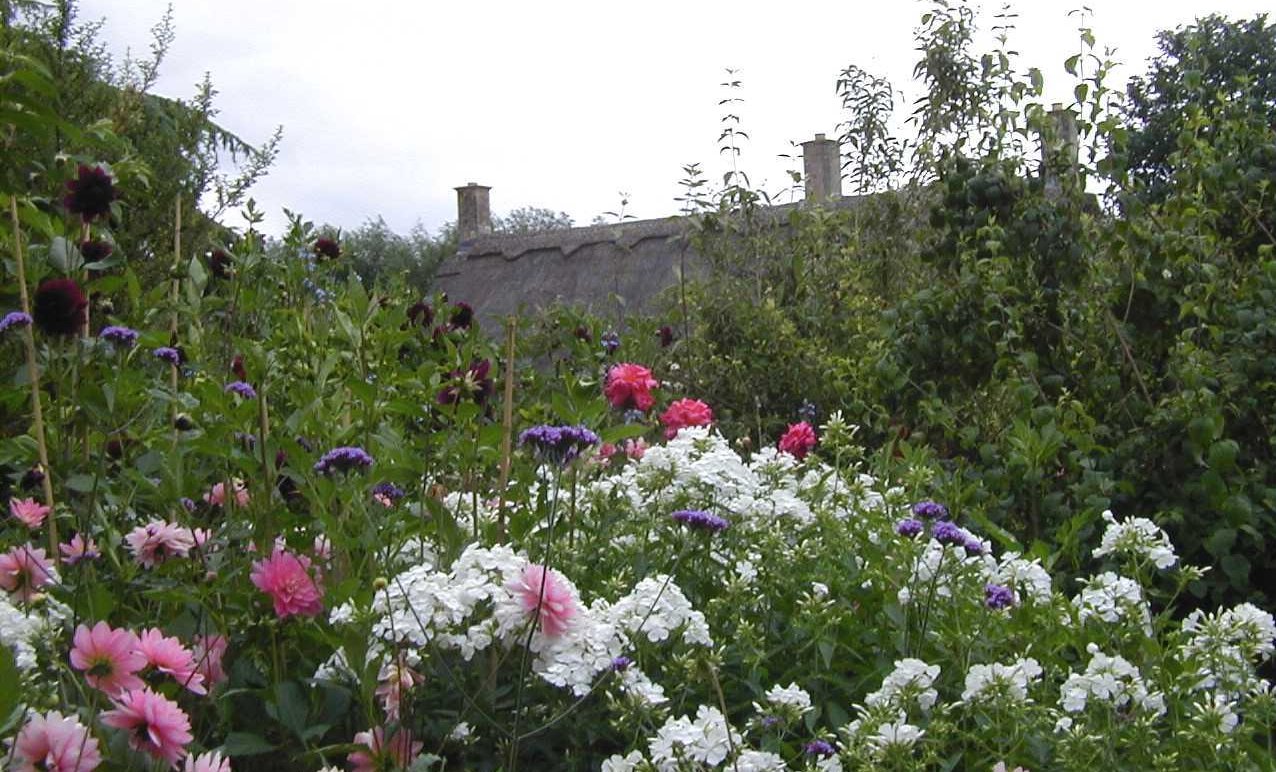 |
| Stately garden at Hidcote Manor, England |
But while beauty
is important, it probably isn’t the only reason that gardens play such a large
role in European culture. From stately gardens in England to small displays of
flowers in Italy, the appeal of a garden is clearly universal. This widespread
appeal is probably related to a basic desire to feel more closely connected to
nature. Much of European life and culture revolves around cities—cities like
Rome and Athens have existed for thousands of years, and modern cities are
bustling metropolises. But while cities are center of commerce, art, and
design, they are also notoriously dirty, grey, and overcrowded. A garden, then,
provides a small oasis in the middle of dirty cobblestones roads, cement
buildings, and garish metal skyscrapers; a small burst of color from some
flowers is a welcomed relief in an unfriendly and impersonal urban life. This
personal connection to nature, even in the form of a small urban garden, really
does help; scientific studies have shown that being exposed to nature, even fora short time, can lower blood pressure and reduce stress levels. Clearly,
gardens provide an escape from cities and suburbia, and allow for a small
connection to nature itself.
Images obtained from:

No comments:
Post a Comment